



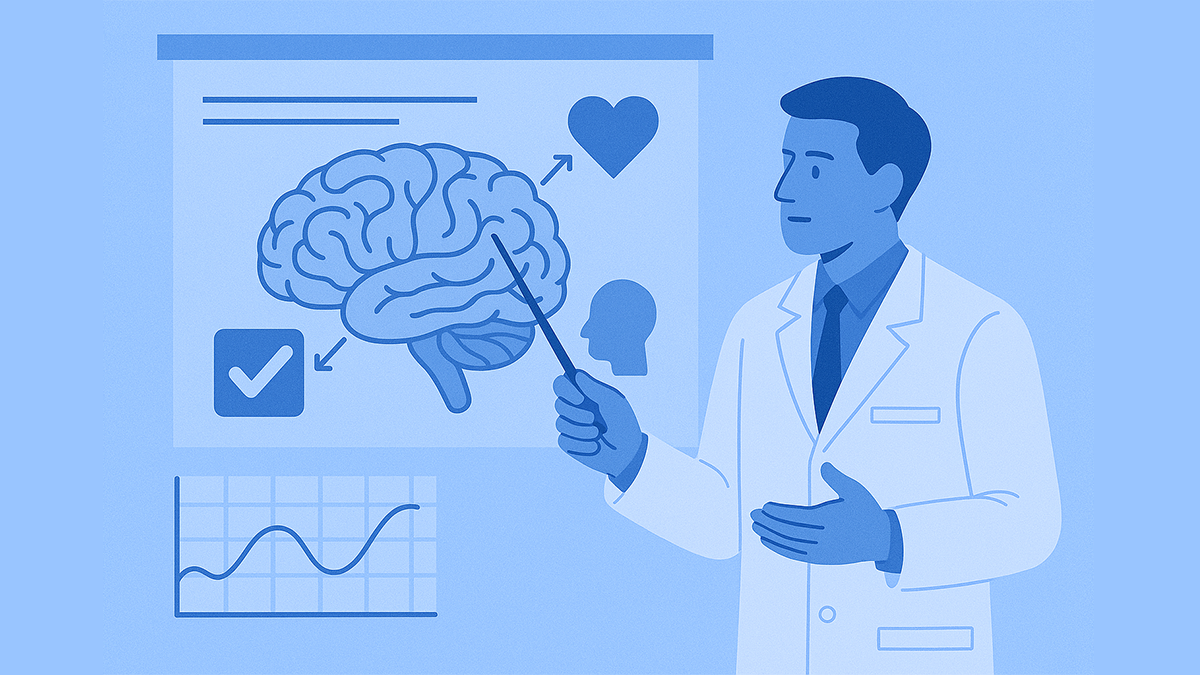

Many leaders think motivation comes from pressure, rewards, or strict rules. But real motivation is deeper. It comes from how clearly a person understands their work, how safe they feel to grow, and how meaningful their role feels in the bigger picture. This is where psychology plays a powerful part.
Understanding motivation is not about reading minds. It is about understanding human needs — clarity, trust, recognition, and purpose.
Clarity: The Starting Point of Motivation
People work better when they know exactly what is expected from them. When goals are unclear, employees spend more energy guessing what to do than actually doing the work. Confusion silently destroys motivation.
Clarity removes this pressure. When someone knows what their role is, why a task matters, and how success will be measured, their confidence rises naturally.
A clear direction makes people feel safe. And when people feel safe, they perform better.
When clarity is missing, teams often lose time without noticing it. If you want to understand how poor time habits quietly harm productivity, read our guide on The Hidden Costs of Poor Time Management in Teams (And How to Fix It) .
Purpose: The Feeling That Work Matters
Everyone wants to feel that their work has meaning. Even a simple task becomes more motivating when a person understands how it helps the team or supports the company’s mission.
When employees see the bigger picture, they feel connected, trusted, and responsible. Purpose gives them a reason to try harder, even on difficult days.
Autonomy: The Power of Trust
Humans naturally enjoy freedom — not total freedom, but enough space to make decisions and solve problems in their own way. When managers control every tiny detail, motivation drops.
But when someone is given autonomy, they feel respected and more willing to take initiative.
Autonomy works best when the project path is clear. If you want a simple way to organise work into structured steps, you may like: How to Create a Project Plan in 10 Simple Steps .
Progress: Seeing That Effort Matters
One of the strongest psychological motivators is the feeling of progress. Even small wins give the brain a sense of reward that encourages people to keep going.
When progress is visible, motivation rises and stress decreases.
If you want a simple way to see how your team moves forward every day, explore our guide: What Is Time Tracking? Benefits, Tools & Real-Life Examples .
Recognition: Humans Want to Be Seen
People don’t work for praise alone, but they do work better when their efforts are noticed. A small “thank you” or a moment of appreciation can completely change how motivated someone feels.
Recognition tells the mind: your work matters. You are valuable.
Environment: Energy That Surrounds the Work
The environment strongly influences motivation. A chaotic workplace, unclear communication, or pressure can drain energy quickly.
But a supportive environment — where people feel respected and heard — naturally encourages better performance.
Motivation grows in places where people feel safe to share ideas, make mistakes, and learn.
Leadership: Guidance Without Control
People are motivated when their leader guides with clarity instead of forcing with pressure. Leadership plays a major role in shaping how confident and motivated a team feels.
To explore how modern founders can guide teams with confidence, see our article: Leadership for Modern Founders: Skills That Drive Clarity and Confidence .
Final Thoughts
Motivation is not something you push into people. It grows when the environment supports it, when the purpose is clear, and when employees feel safe, trusted, and valued.
The psychology behind employee motivation is simple: people do better when they feel better about their work.
When clarity replaces confusion and trust replaces control, motivation becomes a natural part of daily work — not a struggle, but a steady force that helps teams achieve more with confidence.


